Hello!
I’m Raymond Dueñas, a fourth-year Ph.D. student in the Department of Computer Science and Engineering at the University of California San Diego, where I’m fortunate to be co-advised by Dr. Pat Pannuto and Dr. Ryan Kastner.
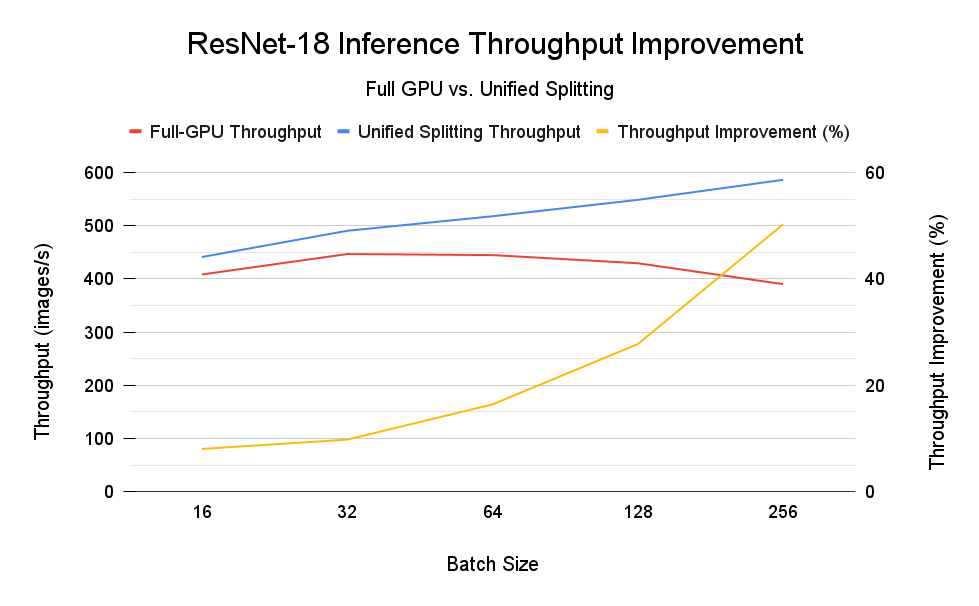
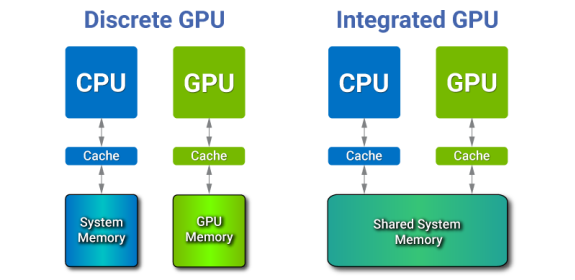
My research focuses on making AI hardware both reliable and efficient. As machine learning moves into accelerators at the edge, from scientific instruments to embedded systems, a single hardware fault can silently change a model’s answer; I study how accelerator design choices, such as how data flows through a systolic array, shape resilience to those faults. My additional focus is on making AI inference fast on the hardware people already have: edge devices, heterogeneous systems that pair CPUs with GPUs, and other available processors. I study how deep learning and large language model (LLM) workloads behave across processors and devices. I build systems that place workloads where they perform best, and tools that inform those placement decisions so the workloads run with optimized resilience.
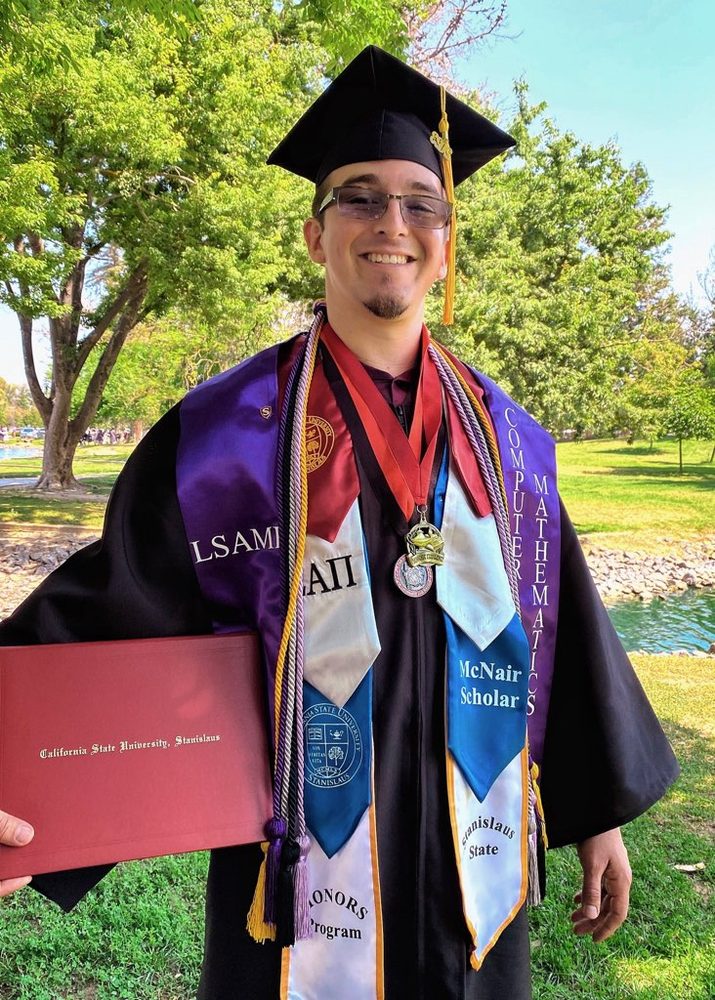
Prior to joining UCSD, I completed my undergraduate studies at California State University, Stanislaus, with dual majors in Mathematics and Computer Science, graduating as an Honors student. During my undergraduate career, I was honored to be a McNair Scholar, a Cal-Bridge Scholar, and an NSF Louis Stokes Alliances for Minority Participation (LSAMP) Scholar. I was also nominated as a 2022–2023 CSU-LSAMP PROUD Scholar for Outstanding Academic Performance and Outstanding Service. I was especially honored to receive the Outstanding Scholar in Mathematics award for my graduating class, recognizing my achievements in the Bachelor of Science in Mathematics program.
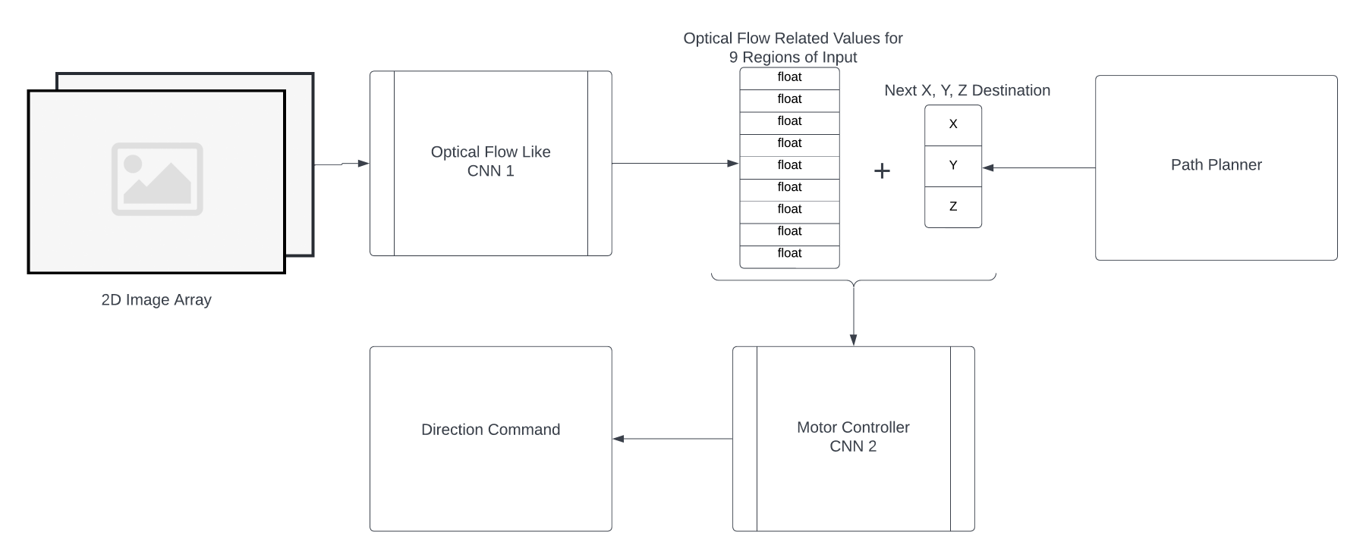
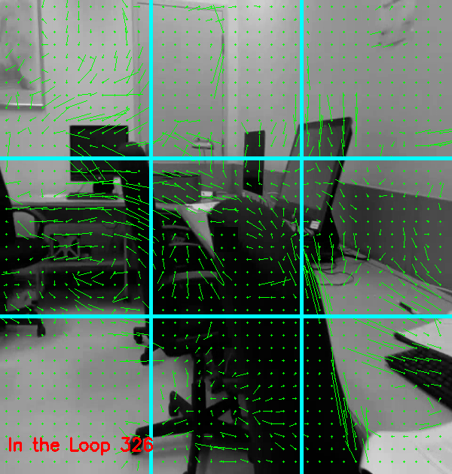
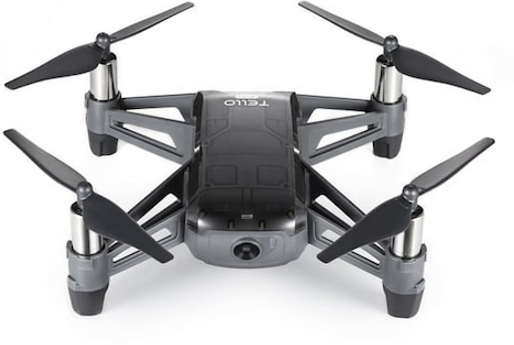
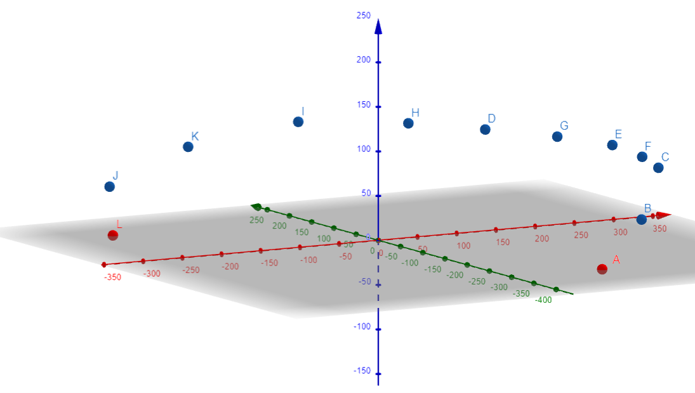
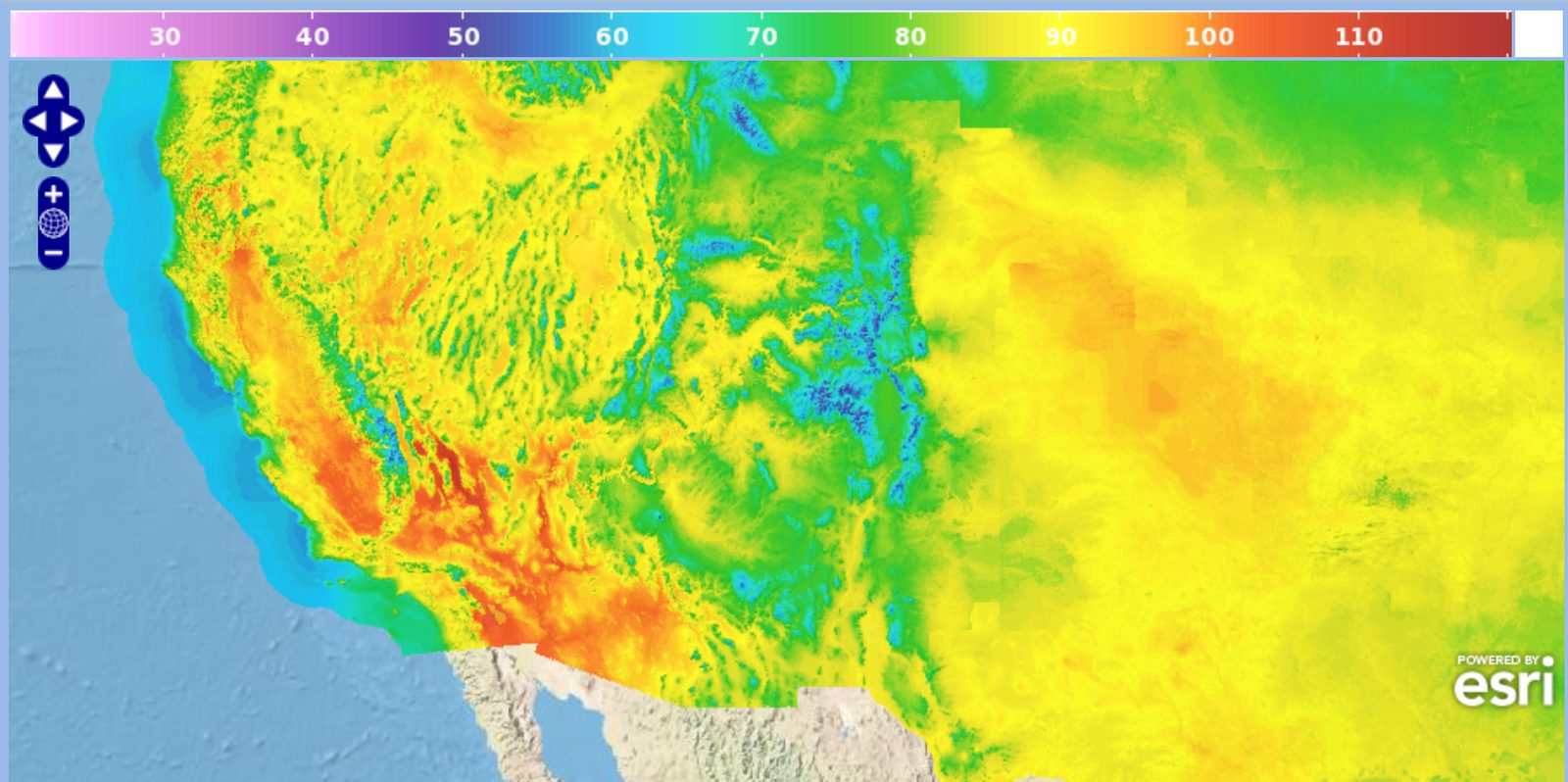
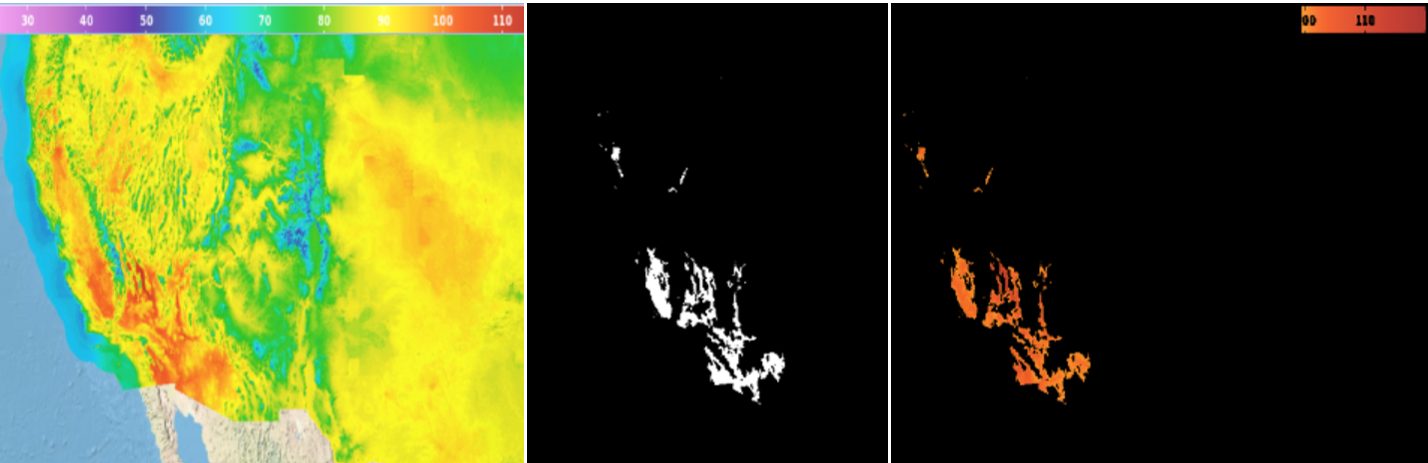
As an undergraduate, I worked with Dr. Kyu Han Koh in the Innovative Learning and Design Lab on computer vision applications for climate data analysis and visualization. I also collaborated with Dr. Adham Atyabi at the University of Colorado Colorado Springs on research utilizing computer vision and deep learning for autonomous drone flight with optical flow for obstacle avoidance.
At a glance
- Research areas: ML systems · ML accelerator reliability and fault injection · efficient LLM and deep learning inference · edge and embedded AI · heterogeneous CPU/GPU computing · distributed inference · GPU performance profiling
- Tools: Python, C++, CUDA, PyTorch, Hugging Face Transformers, TensorRT, llama.cpp, Vulkan, Docker, Kubernetes (K3s), Linux, Git, NVIDIA Nsight Compute/Systems
- Infrastructure: cluster system administrator for the lab’s ~40-device ARM64 edge-AI research cluster: Kubernetes (K3s), networking, OS images, and access management for student researchers
- Leadership: led research projects with a team of 20 students; mentored four undergraduate researchers
- Awards: Best Poster Award, FastML 2026 (FlowFi)
- Fellowships: Cal-Bridge Fellow (2023–present); UCSD CSE Department and Rotational Fellowships (2023)
Open to research and industry internships for Summer 2027. Email: r1duenas@ucsd.edu · LinkedIn